Shijiazhuang Zhengdrilling Machinery Equipment Co., Ltd.
Service Email: bruce@well-drillrigs.com
Bruce:+86-18603299555
 EN
EN ES
ES FR
FR RU
RU

Purchasing drilling equipment for a borehole project involves more than choosing a drilling rig. Contractors also need to consider drilling tools, drill pipes, mud pumps, air compressors, and other supporting equipment required for the selected drilling method.
A properly matched water well drilling equipment package helps contractors organize equipment procurement, reduce compatibility issues, and prepare for different site conditions. For equipment distributors and international buyers, understanding how the components work together is also important when comparing manufacturers and quotations.
However, there is no single equipment package suitable for every project. Drilling depth, geological conditions, borehole diameter, drilling method, transportation requirements, and available maintenance support all influence the final configuration.
This guide explains how to evaluate a complete borehole drilling equipment package and what contractors should confirm before placing an order.
A water well drilling equipment package may include a drilling rig, drill pipes, drill bits, drilling fluid equipment, compressed-air equipment, and other accessories. The exact combination depends on the drilling method and project requirements.
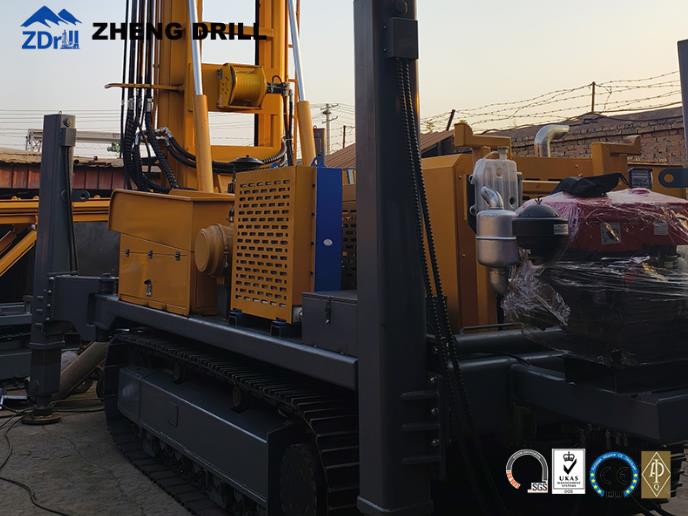
Before purchasing, contractors should identify the equipment needed for their planned operations.
The drilling rig is the main unit responsible for rotary movement, lifting, feeding, and other drilling operations. Different rigs are designed for different drilling depths, geological conditions, and working environments.
Common configurations include:
Crawler-mounted water well drilling rigs.
Truck-mounted water well drilling rigs.
Trailer-mounted water well drilling rigs.
Deep water well drilling rigs.
DTH drilling rigs for suitable rock formations.
The right configuration should match the planned borehole specifications and the way the contractor operates between project sites.
Drill pipes transmit rotation and provide a connection between the rig and the drilling assembly. Drill bits are selected according to the formation and drilling method.
When ordering these components, confirm the connection dimensions, pipe specifications, bit diameter, and compatibility with the proposed drilling system.
For drilling methods that use drilling fluid, a compatible mud pump and circulation system may be required to transport cuttings and help maintain borehole stability.
Pump capacity and pressure should be selected according to the drilling plan, borehole dimensions, fluid properties, and expected operating conditions.
For suitable DTH applications, the equipment package may include an air compressor, DTH hammer, drill bit, and associated air connections.
The compressor must provide the pressure and airflow required by the selected hammer and drilling conditions. An undersized or incompatible compressor can limit the performance of the drilling system.
Depending on the project, the package may also require hydraulic hoses, filters, maintenance tools, spare components, and other accessories.
Contractors should request an itemized equipment list to confirm which components are included in the quotation and which must be purchased separately.
The drilling method is one of the first decisions to make when sourcing borehole drilling equipment for contractors.
Different methods require different tools and supporting systems. Selecting the rig before understanding the formation and drilling method can lead to unnecessary equipment costs or compatibility problems.
Mud drilling uses circulating drilling fluid to help remove cuttings from the borehole. Under suitable conditions, the fluid can also help support borehole stability.
A typical configuration may include:
A compatible water well drilling rig.
Drill pipes and suitable drill bits.
A mud pump.
Drilling fluid mixing and circulation equipment.
Hoses, connections, and other accessories.
This type of configuration may be considered for projects involving suitable unconsolidated formations or other geological conditions where mud circulation is appropriate.
The final setup should be based on the formation, borehole design, and drilling plan.
Down-the-hole drilling uses a pneumatic hammer positioned near the drill bit to break rock through impact.
For projects involving suitable hard-rock formations, a DTH package may include:
A compatible drilling rig.
An air compressor with appropriate pressure and airflow.
A DTH hammer.
Matching drill bits.
Drill pipes and air connections.
Required maintenance and supporting components.
Before ordering, confirm that the compressor, hammer, bit, and rig are compatible with one another.
Some drilling projects encounter different formations at different depths. In these cases, contractors may need equipment that supports more than one drilling method.
The appropriate configuration depends on the geological profile, borehole diameter, operating plan, and available supporting equipment.
Buyers should provide the manufacturer with geological information wherever possible rather than assuming that every rig can switch between drilling methods without additional equipment or configuration changes.
When comparing a water well drilling rig and accessories, buyers should consider drilling depth and borehole diameter together.
A rig's maximum rated depth is not a guarantee that it can reach that depth under every geological condition or with every borehole diameter.
Actual drilling capability depends on several factors:
Geological formation and rock hardness.
Borehole diameter and required casing.
Drill pipe dimensions and total string weight.
Rig lifting capacity and rotary torque.
Drilling method and tool configuration.
Compressor or mud pump performance.
Operating procedures and site conditions.
For example, a project requiring a relatively large borehole at substantial depth may place different demands on the rig than a smaller-diameter borehole at the same depth.
Contractors should therefore request specifications for the intended operating configuration, not just the maximum depth shown in a product description.
The ZDrill water well drilling rig catalog includes different equipment types for a range of drilling applications.
For reference, the ZD 500 Water Well Drilling Rig has a published maximum drilling depth of 500 meters. Whether this model is suitable for a specific project depends on the required borehole diameter, geological conditions, drilling method, and final equipment configuration.
One common purchasing challenge is that individual components may appear suitable on paper but may not work together as a complete system.
A professional water well drilling equipment supplier should help buyers confirm compatibility before an order is finalized.
Check the drill pipe diameter, connection type, length, and other relevant dimensions. Confirm that the selected pipes are suitable for the rig and the planned drilling assembly.
For pneumatic drilling, confirm the required working pressure and airflow of the hammer. The compressor should meet the actual requirements of the selected tool under the intended operating conditions.
For mud drilling, check the required flow rate, pressure, fluid circulation arrangement, and connection specifications.
The pump should be selected for the intended drilling conditions rather than simply choosing the model with the largest stated capacity.
Drill bits should be matched to the geological formation, drilling method, and borehole diameter.
Different formations can require different bit designs. Contractors should explain the expected soil and rock conditions when requesting recommendations.
Confirm the machine's power source, hydraulic specifications, operating requirements, and any external equipment needed.
A complete equipment checklist can help buyers identify missing components before shipment and reduce the risk of delays during site preparation.
The best purchasing approach depends on the contractor's existing equipment, technical experience, and project schedule.
A complete borehole drilling equipment package may be worth considering when:
Establishing a new drilling operation.
Purchasing equipment for a new project.
Replacing an incompatible collection of older components.
Standardizing equipment across a fleet.
Importing a drilling system for resale or distribution.
Buying a coordinated package can make it easier to confirm compatibility and manage procurement through a defined equipment list.
However, the package should still be checked against the actual project requirements.
Experienced contractors may already have suitable drilling rigs, compressors, pumps, or tools.
In these situations, purchasing selected components can help replace worn parts, expand existing equipment capabilities, or support a specific project.
Before ordering individual accessories, provide the supplier with the model and technical specifications of the existing equipment. This helps confirm whether the proposed component is compatible.
A meaningful quotation comparison should include more than the main machine price.
Consider the following items:
Drilling rig and required accessories.
Supporting pumps or compressors.
Drill pipes and drill bits.
Spare parts and maintenance items.
Packaging and transportation.
Applicable duties and import charges.
Installation, commissioning, or technical support where required.
An itemized quotation makes it easier to compare suppliers and identify components that may otherwise be overlooked.
Real project experience can help contractors understand how equipment selection relates to site conditions and operational requirements.
ZDrill Machinery has published a case study describing a water well drilling project in Africa. The project involved groundwater development and borehole construction in a working environment where transportation, site accessibility, and geological conditions were relevant to equipment selection.
The customer required suitable drilling equipment for a groundwater development project.
The operating environment required consideration of site access, drilling conditions, and the practical requirements of preparing equipment for field use.
According to the published project account, equipment selection was connected to the customer's project requirements and working conditions.
The preparation process included checking the agreed equipment configuration and arranging the equipment for transportation.
At the site, positioning and preparation were carried out before drilling operations began. The drilling approach needed to account for the actual formation and operating conditions rather than relying on a single assumed configuration.
The published case does not provide a verified model number, confirmed borehole depth, quantified production rate, or detailed component-by-component equipment list. These details should not be assumed.
The case illustrates three practical considerations for contractors purchasing a drilling system.
First, define the site requirements before selecting components. Geological conditions and access limitations affect both the rig and the supporting equipment.
Second, confirm the complete configuration. Buyers should establish which drill pipes, tools, pumps, compressors, and accessories are included in the quotation.
Third, plan for transportation and field preparation. Packaging, equipment dimensions, spare parts, and site access should be considered before shipment.
Read the full Water Well Drilling Rig Case Study in Africa for further project context.
Choosing a water well drilling equipment manufacturer involves evaluating product suitability, component compatibility, documentation, and ongoing support.
For international contractors, distributors, and importers, the following points can help structure the supplier evaluation process.
Check whether the manufacturer supplies the main equipment and accessories required for the project.
A supplier offering drilling rigs, mud pumps, air compressors, drill pipes, and drilling tools may simplify coordination when several components must be sourced together.
Ask whether the supplier can review the project requirements and recommend a suitable configuration.
Provide the expected depth, borehole diameter, geological information, and preferred drilling method to support a more useful technical discussion.
Some projects require adjustments to the drilling rig or its supporting components.
Confirm which configurations are available, whether additional accessories are required, and how any changes affect cost and lead time.
Before ordering, ask about factory inspection procedures and the documents supplied with the equipment.
The exact documentation package should be confirmed for the specific product and destination market.
Drilling operations may take place far from major service centers. Spare parts availability and technical communication can therefore influence long-term operating plans.
Ask about common replacement components, ordering procedures, warranty terms, and the process for requesting technical assistance.
A supplier evaluation based on these factors can help buyers make a more informed decision than comparing quotations by price alone.
A clear inquiry helps a supplier assess the project and prepare a more relevant equipment proposal.
When contacting a water well drilling equipment supplier, include as much of the following information as possible.
| Information | Details to provide |
|---|---|
| Application | Water wells, agricultural irrigation, rural water supply, or other uses |
| Project location | Country and general site conditions |
| Target depth | Planned drilling depth |
| Borehole diameter | Required diameter and well design, if available |
| Geological conditions | Soil, sand, gravel, weathered rock, or hard rock |
| Drilling method | Mud drilling, DTH drilling, or a method to be recommended |
| Rig configuration | Crawler, truck-mounted, trailer-mounted, or other preference |
| Supporting equipment | Compressor, mud pump, drill pipes, drill bits, and accessories |
| Purchase quantity | Number of complete sets or individual components |
| Delivery requirements | Destination, preferred schedule, and shipping arrangements |
If you are replacing an existing component, provide its model number, connection dimensions, and relevant technical specifications.
If the geological conditions are not yet confirmed, explain what information is available and ask the supplier which additional details are needed.
The purpose of the inquiry is to establish a technically suitable configuration before comparing prices.
ZDrill Machinery supplies water well drilling rigs and related equipment for groundwater development, agricultural irrigation, rural water supply, geothermal projects, and other drilling applications.
Its product catalog includes drilling rigs, reverse circulation drilling rigs, core drilling equipment, DTH drilling equipment, mud pumps, air compressors, drill pipes, and drilling tools.
For contractors purchasing a complete system, the key step is to define the required drilling method and identify which components are necessary for the planned borehole.
Buyers can review the ZDrill product catalog to explore available equipment and supporting products.
For a crawler-mounted water well drilling rig, the ZD 500 product page provides a reference for reviewing published technical specifications.
When contacting the supplier, include the target drilling depth, borehole diameter, geological conditions, and preferred drilling method. This information helps the team evaluate whether a complete equipment package or selected components would better suit the project.
Before placing an order, confirm the final configuration, included accessories, technical specifications, warranty terms, delivery schedule, and applicable shipping documentation.
A package may include a drilling rig, drill pipes, drill bits, a mud pump or air compressor, and other supporting accessories. The exact contents depend on the drilling method, geological conditions, and project requirements.
Evaluate the supplier's product range, technical support, component compatibility, inspection procedures, spare parts availability, export experience, and ability to provide a clearly defined equipment quotation.
Not necessarily. The required supporting equipment depends on the drilling method and the final configuration. Mud drilling typically requires a suitable fluid circulation system, while pneumatic DTH drilling requires a compatible compressed-air supply.
Yes, individual components may be suitable when they are compatible with existing equipment. Provide the supplier with the machine model, connection dimensions, and relevant specifications before ordering.
Compare equivalent equipment configurations, including the drilling rig, accessories, supporting systems, spare parts, packaging, shipping arrangements, and warranty terms. An itemized quotation helps identify differences between offers.
The most useful information includes target depth, borehole diameter, geological conditions, drilling method, site accessibility, and required supporting equipment. Additional technical information may be necessary for complex projects.
Selecting a suitable water well drilling equipment package requires a clear understanding of the project and how each component contributes to the complete drilling system.
The drilling rig, drill pipes, drill bits, mud pump, air compressor, and supporting accessories should be selected according to the intended drilling method, geological conditions, and borehole requirements.
For contractors, distributors, and importers, a detailed equipment list and a clear technical inquiry make it easier to compare suppliers and reduce purchasing uncertainty.
To discuss a drilling equipment requirement, visit the ZDrill Machinery product catalog and prepare the project details needed to evaluate a suitable configuration.
water well drilling equipment package, water well drilling equipment supplier, borehole drilling equipment for contractors, water well drilling rig and accessories, complete borehole drilling equipment, water well drilling equipment manufacturer, mud pump for water well drilling, air compressor for DTH drilling, water well drilling tools supplier
Processing Demand Survey
x


