Shijiazhuang Zhengdrilling Machinery Equipment Co., Ltd.
Service Email: bruce@well-drillrigs.com
Bruce:+86-18603299555
 EN
EN ES
ES FR
FR RU
RU
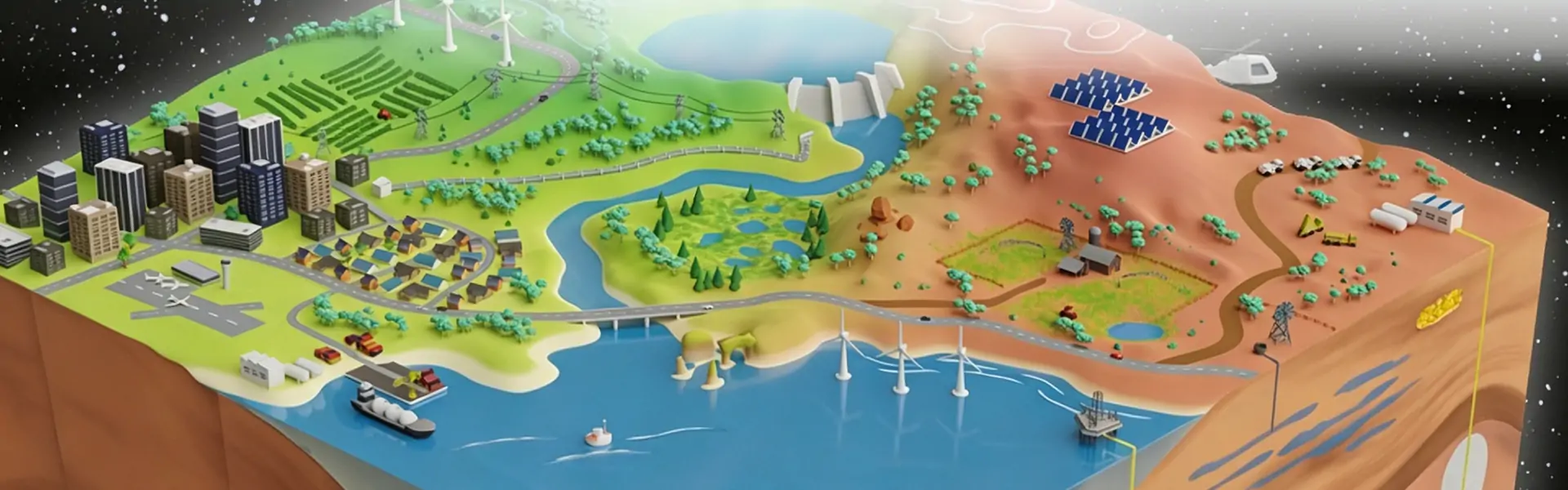
Reliable groundwater access is an important consideration for farms, agricultural contractors, and rural water development projects. When surface water is insufficient or seasonal supplies are unreliable, a properly planned water well can provide an alternative source for irrigation.
Choosing the right water well drilling rig for agricultural irrigation requires more than selecting a machine with a particular drilling depth. Soil conditions, rock formations, well diameter, site accessibility, drilling methods, and supporting equipment all affect the final configuration.
For agricultural contractors, equipment distributors, and project buyers, understanding these factors helps reduce purchasing risks and improve project planning.
ZDrill Machinery supplies water well drilling equipment for agricultural irrigation, rural water supply, geothermal projects, and other drilling applications. This guide explains how to evaluate drilling rigs for farm water projects and what buyers should confirm before requesting a quotation.
Agricultural water wells are used to provide groundwater for different farming requirements, including crop irrigation, orchard management, and other agricultural water supply applications.
However, drilling conditions can vary considerably from one location to another. A farm in an area with relatively soft soil may have different equipment requirements from a project involving hard rock or mixed geological formations.
When selecting an agricultural water well drilling rig, buyers should first identify the project's main requirements.
Water well depth: Estimate the target drilling depth based on available hydrogeological information.
Formation conditions: Determine whether the drilling area mainly contains soil, sand, gravel, weathered rock, or hard bedrock.
Borehole diameter: Confirm the required diameter according to the well design and intended water supply.
Site accessibility: Consider whether the rig must operate on farmland, uneven ground, remote sites, or narrow access roads.
Drilling method: Evaluate whether mud drilling, pneumatic DTH drilling, or a combined approach is suitable.
Supporting equipment: Check whether the project requires a mud pump, air compressor, drill pipes, or other accessories.
These details help buyers avoid choosing equipment based only on the advertised maximum drilling depth.
A well-planned equipment selection should reflect the expected geological conditions and the actual requirements of the irrigation project.
Drilling depth is one of the most important specifications when purchasing a water well drilling machine for irrigation.
Some agricultural projects require relatively shallow wells, while others need deeper boreholes because of local groundwater conditions. The required depth should be determined through hydrogeological assessment and the project's well design rather than an assumed standard depth for all farms.
When comparing equipment, buyers may consider the following general categories:
Shallow wells may be suitable for certain agricultural sites where groundwater is accessible at relatively limited depths.
The equipment should match the expected formation, required borehole diameter, and site conditions. Buyers should also confirm that the proposed rig can accommodate the necessary drilling tools and supporting equipment.
Medium-depth projects may require a more powerful drilling system, depending on the formation and borehole design.
For these applications, evaluate lifting capacity, rotary torque, drilling method, and the compatibility of the rig with the required drill pipes and accessories.
Deep wells may be necessary in locations where groundwater is available at greater depths or where the project has specific water supply requirements.
A deep water well drilling rig should be selected according to the planned depth, geological conditions, hole diameter, and required drilling method. Additional supporting equipment may also be needed.
It is important to distinguish maximum rated drilling depth from the depth that can be achieved under a particular set of field conditions. Actual drilling performance depends on the formation, equipment configuration, drilling tools, and operating practices.
The chassis configuration affects transportation, site access, and the way a drilling rig can be deployed.
For buyers sourcing an irrigation well drilling machine, the choice should reflect the distance between project sites, the condition of access roads, and the working environment.
A crawler water well drilling rig can be a suitable option for agricultural projects involving uneven ground, remote work areas, or sites where tracked mobility is beneficial.
The crawler chassis can help the machine move around suitable work sites without relying entirely on conventional road transportation.
Buyers should still confirm the machine's dimensions, weight, ground conditions, climbing capability, and transportation arrangements before ordering.
Explore the ZD 500 Water Well Drilling Rig for an example of a crawler-mounted drilling solution designed for agricultural irrigation and other water well applications.
A truck-mounted water well drilling rig may be preferable for contractors who frequently move equipment between multiple drilling locations.
Combining the drilling system with a truck chassis can simplify road transportation, subject to vehicle specifications, road restrictions, and local requirements.
This configuration may be worth considering for contractors operating across several farms or project locations.
A trailer-mounted rig can provide an alternative for projects where the equipment is transported by a separate towing vehicle.
Buyers should consider the available towing capacity, access roads, site preparation, and the time required to position the rig at each drilling location.
For a wider selection of equipment, visit the ZDrill water well drilling rig product range.
Agricultural drilling projects may encounter different formations within the same borehole. The drilling method should therefore be selected according to the geological conditions rather than the application name alone.
Mud drilling uses drilling fluid to help transport cuttings and support borehole stability under suitable conditions.
Depending on the formation and drilling plan, a compatible mud pump and fluid circulation system may be required.
When evaluating a mud drilling configuration, confirm the pump capacity, fluid circulation requirements, borehole diameter, and compatibility with the proposed rig.
Down-the-hole (DTH) drilling uses a hammer positioned near the drill bit to break rock through impact.
It can be suitable for water well projects involving hard rock, provided that the rig, hammer, bit, and compressed-air system are correctly matched.
Buyers should confirm the required air pressure and flow rate, rock conditions, drilling diameter, and supporting compressor specifications.
Some projects involve both softer formations and deeper rock sections. In these situations, the equipment configuration may need to accommodate different drilling methods.
The appropriate solution depends on the geological profile, borehole design, and project requirements.
Before requesting a quotation, provide the supplier with any available geological reports or information about the expected soil and rock layers. This helps the manufacturer evaluate the equipment and supporting components more accurately.
When comparing an agricultural water well drilling rig manufacturer, buyers should review the complete technical specification rather than relying on a single performance figure.
The following information is particularly useful.
| Specification | Why it matters |
|---|---|
| Maximum drilling depth | Indicates the rated depth capability of the configuration |
| Drilling diameter | Must match the planned borehole design |
| Drilling method | Determines how the equipment works in the target formation |
| Rotary torque | Relevant to drilling performance under suitable conditions |
| Lifting capacity | Important for handling drill pipes and related equipment |
| Air pressure and flow | Critical when using a pneumatic DTH system |
| Mud pump capacity | Relevant when mud circulation is required |
| Chassis configuration | Affects transportation and site mobility |
| Engine and hydraulic system | Influences the equipment's operating capabilities |
| Supporting accessories | Helps ensure the rig can operate as a complete system |
For example, the ZD 500 crawler water well drilling rig has a published maximum drilling depth of 500 meters, a listed drilling diameter range of 105–350 mm, and a maximum turning torque of 8,500–11,000 Nm.
The product information also describes DTH and mud drilling options, with configuration and accessories selected according to project requirements.
These specifications are reference points, not a guarantee that every formation can be drilled to the maximum depth at the same rate. Confirm the final configuration and operating limits with the manufacturer.
See the ZD 500 technical specifications for further details.
Understanding a real project can help buyers see why equipment selection should be based on local conditions rather than a standard machine configuration.
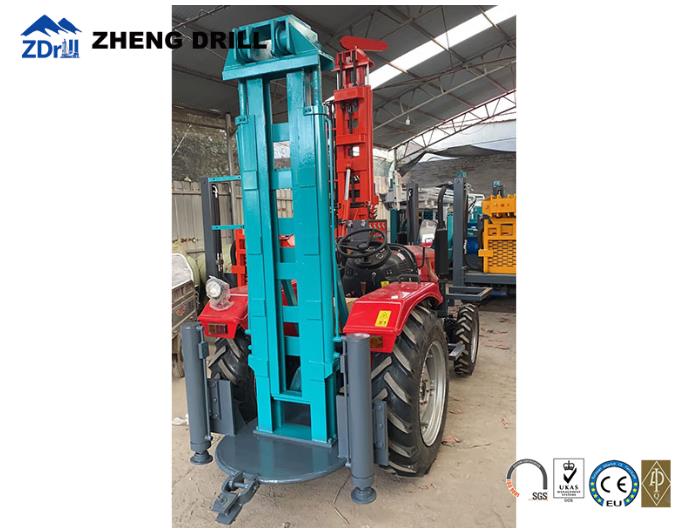
ZDrill has published a 2025 Chile water well drilling project case involving a drilling contractor serving agricultural and rural water supply projects.
The Chilean customer required a water well drilling rig for agricultural irrigation wells, rural water supply, and groundwater exploration.
The equipment needed to suit the project's outdoor working environment and different terrain conditions.
The main requirements described in the published case included:
Agricultural irrigation well construction.
Rural water supply and groundwater development.
Equipment suitable for the local geological conditions.
A configuration that considered transportation and long-term operation.
According to the published project account, ZDrill recommended a customized drilling solution based on the customer's requirements.
The described configuration included a hydraulic drilling system, suitable drilling tools, mud circulation support, and a stable chassis structure.
The project process included requirement communication, manufacturing according to confirmed specifications, factory inspection, and preparation for shipment to Chile.
The published case also describes customer feedback concerning equipment operation, configuration suitability, and technical communication.
The article does not specify a confirmed drilling depth or a quantified productivity result for this project, so these figures should not be assumed.
The Chile project illustrates several practical considerations for future irrigation well projects.
First, communicate the site requirements before choosing the machine. Drilling depth, formation conditions, and working environment should inform equipment selection.
Second, evaluate the complete configuration. The drilling rig, tools, and supporting systems need to work together as intended.
Third, confirm the inspection and delivery process. Buyers should understand what is checked before shipment and which documents and accessories are included.
Read the full Chile water well drilling rig project case study for more information.
For international buyers, selecting an agricultural water well drilling rig manufacturer involves evaluating both the equipment and the supplier's ability to support the purchasing process.
A supplier with different drilling rig configurations may be better positioned to discuss alternatives for different depths, formations, and site conditions.
Check whether the manufacturer supplies crawler, truck-mounted, trailer-mounted, or other suitable configurations.
Some projects require adjustments to drilling depth, supporting accessories, or chassis configuration.
Before ordering, confirm which changes are available, whether they affect the production schedule, and whether the final technical specification will be documented.
Ask what inspections are carried out before shipment and which test records or inspection documents are available.
For projects with specific performance requirements, agree on the relevant specifications before production begins.
Agricultural contractors may work in remote locations where equipment downtime can affect project schedules.
Confirm the availability of commonly required spare parts, technical documentation, and the process for obtaining assistance after delivery.
Importers should confirm shipping arrangements, packing requirements, applicable duties, and the documents required in the destination country.
The specific requirements may differ depending on the equipment, destination, and import regulations.
Comparing these factors can help buyers make a more informed decision than selecting a supplier based on the initial quotation alone.
A detailed inquiry helps a drilling rig manufacturer evaluate the project more efficiently.
Before contacting an irrigation well drilling machine supplier, prepare the following information where available:
Project location: Country and general work-site conditions.
Application: Agricultural irrigation, rural water supply, or another use.
Target drilling depth: The planned depth and any expected variations.
Geological conditions: Soil, sand, gravel, weathered rock, or hard rock.
Required borehole diameter: Based on the preliminary well design.
Preferred drilling method: Mud drilling, DTH drilling, or a method recommended after technical review.
Mobility requirements: Crawler, truck-mounted, trailer-mounted, or another configuration.
Supporting equipment: Air compressor, mud pump, drill pipes, and other required components.
Purchase quantity: One rig, several units, or a planned equipment fleet.
Additional requirements: Customization, spare parts, delivery arrangements, and documentation.
If some information is unavailable, share the project details you already have and ask the supplier which additional information is needed.
A quotation based on a clearly defined configuration makes it easier to compare different manufacturers and avoid misunderstandings during production.
ZDrill Machinery supplies water well drilling rigs and related drilling equipment for agricultural, rural water supply, geological exploration, geothermal, and other applications.
Its product range includes crawler water well drilling rigs, truck-mounted drilling rigs, trailer-mounted rigs, core drilling equipment, DTH drilling rigs, mud pumps, air compressors, and drilling tools.
For agricultural contractors, distributors, and project buyers, equipment selection can be discussed according to the required drilling depth, formation conditions, drilling method, and site accessibility.
The ZD 500 Water Well Drilling Rig is one option to review for projects that require a crawler-mounted rig with a published maximum drilling depth of 500 meters.
For projects requiring different depths or configurations, buyers can explore the wider ZDrill product catalog and provide their requirements for technical evaluation.
Before placing an order, confirm the exact machine configuration, supporting equipment, rated specifications, lead time, and applicable export documentation.
The appropriate rig depends on the target drilling depth, geological conditions, borehole diameter, site accessibility, and drilling method. Crawler rigs may suit certain uneven or remote sites, while truck-mounted rigs may be useful when frequent transportation between locations is required.
There is no universal depth for every farm. The required depth depends on local groundwater conditions, hydrogeological information, well design, and the project's water supply requirements.
A crawler rig may be suitable for agricultural sites where tracked mobility is useful. Buyers should confirm ground conditions, machine dimensions, climbing capability, transportation arrangements, and the rig's drilling specifications.
Mud drilling circulates drilling fluid to help remove cuttings and support borehole stability under suitable conditions. DTH drilling uses a hammer near the drill bit to break rock through impact. The correct method depends on the formation, borehole design, and equipment configuration.
Confirm drilling depth, borehole diameter, drilling method, geological suitability, chassis type, supporting equipment, warranty terms, spare parts availability, delivery schedule, and required documentation.
Customization may be available for drilling depth, chassis configuration, accessories, and other technical requirements. Confirm the available options and final specifications directly with the manufacturer.
Choosing the right water well drilling rig for agricultural irrigation starts with understanding the project rather than selecting equipment based on drilling depth alone.
Geological conditions, borehole requirements, drilling methods, site mobility, and supporting equipment all influence the final choice. Buyers should also evaluate the manufacturer's technical support, inspection procedures, spare parts availability, and export arrangements.
For agricultural contractors and equipment distributors, a clear project specification makes it easier to compare suppliers and select a suitable drilling solution.
To discuss an agricultural water well drilling project, explore the ZDrill water well drilling rig range and provide your target depth, geological conditions, project location, and equipment requirements for further evaluation.
water well drilling rig for agricultural irrigation, agricultural water well drilling rig manufacturer, irrigation well drilling machine supplier, crawler water well drilling rig, 500m water well drilling rig, farm irrigation drilling equipment, water well drilling rig manufacturer, agricultural borehole drilling machine
Processing Demand Survey
x


