Shijiazhuang Zhengdrilling Machinery Equipment Co., Ltd.
Service Email: bruce@well-drillrigs.com
Bruce:+86-18603299555
 EN
 ES
 FR
 RU

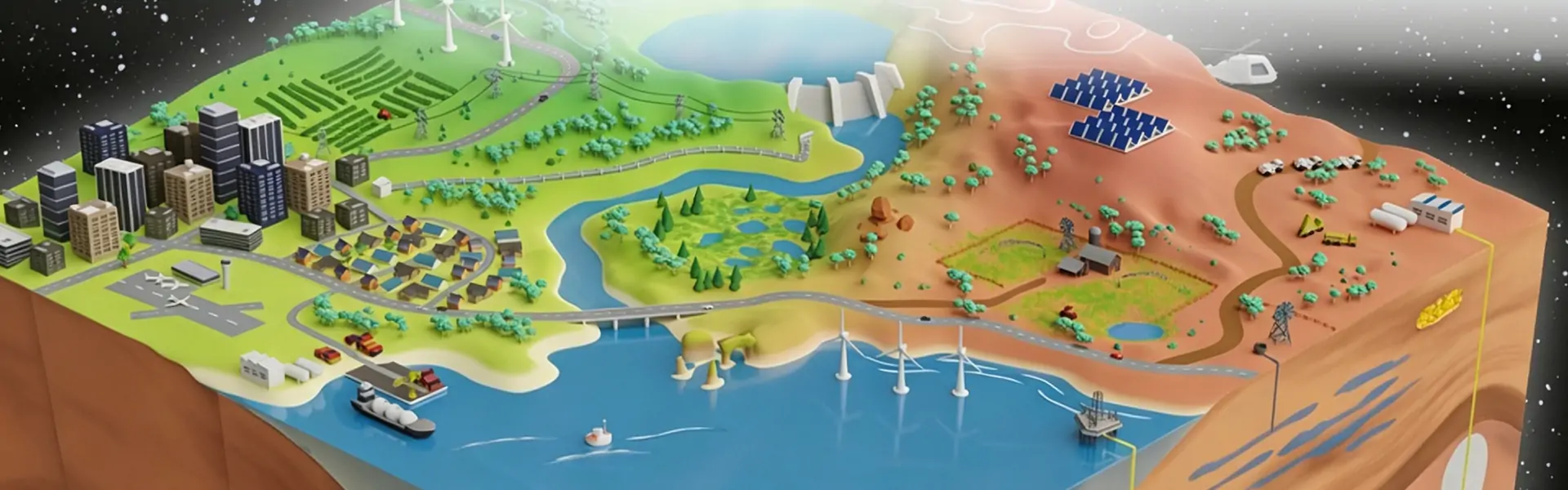
Geothermal energy projects require drilling equipment that matches the planned borehole depth, geological conditions, drilling method, and site requirements. Selecting a suitable geothermal well drilling rig is an important step in preparing a geothermal project, whether the goal is ground-source heating and cooling, geothermal water development, or a deeper geothermal application.
However, not all geothermal wells have the same drilling requirements. Some projects involve relatively shallow boreholes for ground-source heat pump systems, while others require deeper drilling into water-bearing formations or hot geological zones. The equipment configuration must reflect the actual project design.
For drilling contractors, engineering companies, and equipment distributors, the selection process should begin with the intended geothermal application rather than the machine's maximum drilling depth alone.
ZDrill Machinery supplies drilling equipment for water well construction, geothermal wells, and other drilling applications. Buyers can review the company's drilling equipment catalog to identify potential equipment options for further technical evaluation.
Before purchasing a geothermal well drilling machine, it is important to identify the type of geothermal project. The application affects the required drilling depth, borehole diameter, drilling tools, and operating method.
Ground-source heat pump systems use the relatively stable temperature of the ground for building heating and cooling. Depending on the system design and local regulations, projects may use vertical boreholes with ground heat exchangers installed inside them.
Equipment selection depends on the borehole design, drilling depth, ground conditions, available working space, and the installation method specified by the project engineer.
For these projects, contractors should confirm the required borehole diameter and depth before choosing the drilling rig. A machine designed for deep water wells may not automatically be the most economical option for shallow geothermal borehole work.
Some geothermal projects involve drilling wells to access underground thermal water or evaluate geothermal resources.
These projects may require greater drilling depth and more demanding equipment configurations than shallow ground-source installations. Geological conditions, formation pressure, temperature, water chemistry, and the planned well construction all influence the technical requirements.
A drilling rig should therefore be selected according to the project's engineering design and expected downhole conditions.
Deep geothermal exploration may involve complex geological formations and substantial drilling requirements. These projects require detailed technical planning, specialized drilling tools, and equipment suitable for the intended depth and operating environment.
A conventional water well drilling rig should not be assumed suitable for every deep geothermal application. Buyers should confirm the equipment's operating envelope with the manufacturer and the project's drilling engineer.
Drilling depth is one of the most visible specifications when comparing geothermal drilling equipment, but it should not be considered in isolation.
A rig's maximum rated depth does not guarantee that it can drill every borehole design to that depth. Practical capability can vary with borehole diameter, geological conditions, drill pipe configuration, tooling, and the drilling method.
Before comparing machines, establish the following project requirements:
Planned borehole depth
Required borehole diameter
Borehole design and casing requirements
Expected geological formations
Drilling method
Required drilling tools and auxiliary equipment
Site access and transportation limitations
A project involving a relatively large borehole may place different demands on lifting capacity and drilling equipment than a smaller-diameter borehole at the same depth.
For contractors managing several geothermal projects, it can also be useful to distinguish between the most common project depth and the maximum depth occasionally required. This helps avoid purchasing equipment that is either undersized for regular work or unnecessarily large for the majority of applications.
Geological conditions have a direct influence on drilling performance and equipment selection. A geothermal borehole may pass through soil, clay, sand, gravel, weathered rock, or hard bedrock.
Each formation can create different drilling challenges.
Loose formations may require careful borehole stabilization and an appropriate cuttings-removal method. Depending on the project design, drilling fluid and casing may be needed to help maintain borehole integrity.
The rig, mud pump, drill pipes, and other supporting equipment should be selected as a compatible system.
Projects that encounter both soft and hard formations may require changes in drilling parameters or drilling tools as the borehole advances.
A flexible drilling configuration can be helpful, but the available methods and compatible accessories must be confirmed for the selected rig.
Hard rock drilling may require a suitable rotary system, down-the-hole hammer, drill bit, and compressed-air supply, depending on the project design.
The appropriate configuration depends on rock properties, borehole diameter, depth, and the required drilling performance. No single drilling method is ideal for every formation.
For this reason, providing geological information to the supplier before purchasing a geothermal drilling rig can help reduce the risk of selecting unsuitable equipment.
Different drilling methods serve different purposes. The appropriate method should be determined by the borehole design, geological conditions, and project requirements.
Rotary drilling uses rotation and downward force to advance the drill bit through the formation. Depending on the system, drilling fluid may be circulated to remove cuttings and help stabilize the borehole.
This method may be considered for projects where the formation and borehole design are compatible with rotary drilling.
Down-the-hole, or DTH, drilling uses a hammer near the drill bit to break rock through impact. Compressed air commonly powers the hammer and helps transport cuttings out of the borehole.
DTH drilling may be appropriate for certain rock formations, but the hammer, bit, compressor, and drilling rig must be matched to the planned operation.
Mud circulation can be used in drilling systems where drilling fluid supports cuttings removal and borehole stability. The required fluid properties and equipment configuration depend on the formation and well design.
A project may need a mud pump, drilling fluid preparation equipment, and compatible drill pipes.
Before ordering, ask the manufacturer to confirm which components are included and which are optional. Depending on the drilling method, the package may include:
Drilling rig
Drill pipes and drill bits
DTH hammer and air compressor
Mud pump and associated connections
Casing or other borehole accessories
Spare parts and maintenance items
Not every geothermal project needs all these components. The final package should be based on the actual drilling plan rather than a generic list of equipment.
For projects requiring substantial drilling depth, buyers can evaluate the ZD1600 Deep Water Well Drilling Rig as a potential equipment option, subject to application-specific technical confirmation.
The official product page publishes the following specifications:
| Technical parameter | Published specification |
|---|---|
| Maximum drilling depth | 1,600 m |
| Drilling diameter | 127–700 mm |
| Working air pressure | 1.65–8 MPa |
| Air consumption | 16–120 m³/min |
| Drill pipe length | 3–6 m |
| Drill pipe diameter | 114 / 127 / 140 mm |
| Thrust force | 20 T |
| Lifting force | 60 T |
| Engine power | 264 kW Cummins engine |
| Maximum rotary torque | 12,000–24,000 N·m |
| Rotary speed | 75–160 r/min |
| Machine weight | 20 T |
The product page lists top-drive hydraulic rotary drilling, thrusting, DTH hammer drilling, and mud drilling among the available drilling methods. It also lists optional equipment such as a mud pump, welding generator, pipe reamer, and air compressor.
These published specifications provide a starting point for equipment evaluation. They do not, by themselves, establish that the ZD1600 is suitable for every geothermal project or every required depth and borehole diameter.
Before making a purchase decision, buyers should confirm the proposed configuration, intended drilling method, geological conditions, and engineering requirements with the manufacturer.
Geothermal drilling projects can take place at residential developments, commercial buildings, industrial facilities, agricultural sites, or remote locations. The work environment affects transportation and equipment setup.
Check the rig's overall dimensions, weight, loading requirements, and transport arrangement. For projects in restricted spaces, verify whether the equipment can reach the work area and be positioned safely.
Urban ground-source projects may have limited access, nearby structures, underground utilities, or restrictions on noise and working hours. These factors should be evaluated during project planning.
The drilling system's power demand depends on the selected rig, drilling method, and supporting equipment. Buyers should confirm the power supply, fuel requirements, air compressor capacity, or mud circulation system needed for the proposed setup.
Long-term operation depends on maintenance planning as well as drilling capability. Check the availability of spare parts, service information, consumables, and technical assistance for the destination market.
These factors can influence total operating cost and project scheduling, even when two machines have similar maximum drilling depths.
ZDrill has published a Peru water well drilling project case describing a groundwater development project associated with agricultural water well construction.
According to the published case, the project took place in 2025 and involved two units of water well drilling equipment, including crawler-mounted and trailer-mounted rigs.
The case provides a real example of how equipment selection can consider transportation, working conditions, and the requirements of an international drilling project.
However, the published information concerns water well drilling and does not establish that the equipment was used for a geothermal project. It should be treated as a general project reference rather than evidence of a completed geothermal installation.
For geothermal contractors, the relevant lesson is the importance of matching the equipment to the project conditions before shipment.
A similar planning process can include:
Define the geothermal application and well design.
Confirm the planned depth and borehole diameter.
Review geological and site information.
Determine the appropriate drilling method.
Confirm the rig and auxiliary equipment configuration.
Prepare transportation, operation, and maintenance arrangements.
For an actual geothermal project, the final equipment choice should also be reviewed against the project's engineering specifications and applicable local requirements.
Selecting a suitable geothermal drilling equipment manufacturer involves more than comparing quotations. Buyers should evaluate the supplier's product range, technical communication, and ability to clarify equipment compatibility.
Ask for the technical data of the proposed rig and supporting equipment. Check drilling depth, diameter, lifting force, rotary torque, power system, drilling method, and other parameters relevant to the project.
A quotation should distinguish between standard equipment and optional accessories. Confirm whether drill pipes, bits, compressor, mud pump, and spare parts are included.
Provide the supplier with the intended application and drilling conditions. Ask the manufacturer to explain why the proposed configuration is suitable and identify any limitations that need to be addressed.
For international projects, buyers should also clarify shipping arrangements, documentation, installation guidance, maintenance recommendations, and communication channels for technical questions.
ZDrill Machinery offers a range of drilling equipment for water well construction, geothermal applications, and related drilling work. Buyers can begin with the official product catalog and request further information based on their project requirements.
Avoid these common purchasing mistakes when comparing geothermal drilling equipment.
A high depth rating does not automatically mean the machine can meet every borehole design. Diameter, tooling, formation, and drilling method also matter.
Shallow ground-source heat pump boreholes and deep geothermal wells can have substantially different requirements. The application must be defined first.
A drilling rig may require a compatible compressor, mud pump, hammer, drill pipes, or other components. Confirm the complete configuration before ordering.
Two quotations may list different accessories, spare parts, or service arrangements. Compare the complete equipment package rather than the headline price alone.
Without basic information about the formation and borehole design, a supplier may be unable to recommend the most appropriate configuration. Provide available geological reports or project specifications whenever possible.
To help a manufacturer assess your project, prepare the following information before submitting an inquiry:
Application: ground-source heating and cooling, geothermal water well, or deep geothermal exploration
Target depth: planned borehole depth
Borehole diameter: required diameter and borehole design
Geological conditions: soil, sand, gravel, weathered rock, or hard rock
Drilling method: rotary drilling, DTH drilling, mud drilling, or another specified method
Site conditions: available working space, access, terrain, and transportation requirements
Supporting equipment: compressor, mud pump, drill pipes, drill bits, and other required accessories
Project location: country and applicable project requirements
With this information, the manufacturer can evaluate whether a particular rig is appropriate and identify the technical details that need confirmation.
Contact ZDrill Machinery through the official website to discuss drilling equipment options for your geothermal or groundwater project.
A geothermal well drilling rig is equipment used to drill boreholes for geothermal-related applications. The required rig type and configuration depend on whether the project involves ground-source heat exchange, geothermal water wells, or deeper geothermal exploration.
Some water well drilling rigs may be suitable for certain geothermal applications, but suitability must be confirmed against the planned depth, borehole diameter, formation, drilling method, and engineering requirements.
There is no single depth suitable for every geothermal project. Ground-source heat pump boreholes and deeper geothermal wells have different design requirements. The project engineer should determine the required depth and borehole specifications.
The appropriate method depends on the geological formation, borehole design, depth, and project objective. Rotary drilling, DTH drilling, and mud circulation may be considered for different applications, subject to technical evaluation.
Depending on the drilling method, a project may require drill pipes, drill bits, a mud pump, an air compressor, a DTH hammer, casing, and other accessories. The manufacturer should confirm the complete package for the proposed application.
ZDrill's published product information identifies geothermal wells among the applications for its drilling equipment, including the ZD1600 Deep Water Well Drilling Rig. Buyers should provide their project details to confirm whether the model and proposed configuration are suitable.
Choosing the right geothermal well drilling rig starts with understanding the project application, planned borehole depth, geological conditions, and drilling method. Buyers should also consider the supporting equipment, transportation requirements, maintenance arrangements, and total equipment configuration.
A rig with a suitable depth rating is only one part of the decision. The complete drilling system must match the project's technical requirements.
ZDrill Machinery provides drilling equipment for water well construction, geothermal applications, and other drilling projects. Share your target depth, borehole diameter, geological information, and intended application to discuss a suitable equipment configuration.
Hot Tags: Geothermal Well Drilling Rig, Geothermal Drilling Rig, Geothermal Well Drilling Machine, Geothermal Borehole Drilling Equipment, Deep Geothermal Drilling Rig, Geothermal Drilling Equipment Manufacturer, Water Well and Geothermal Drilling Rig
Processing Demand Survey
x


