Shijiazhuang Zhengdrilling Machinery Equipment Co., Ltd.
Service Email: bruce@well-drillrigs.com
Bruce:+86-18603299555
 EN
 ES
 FR
 RU

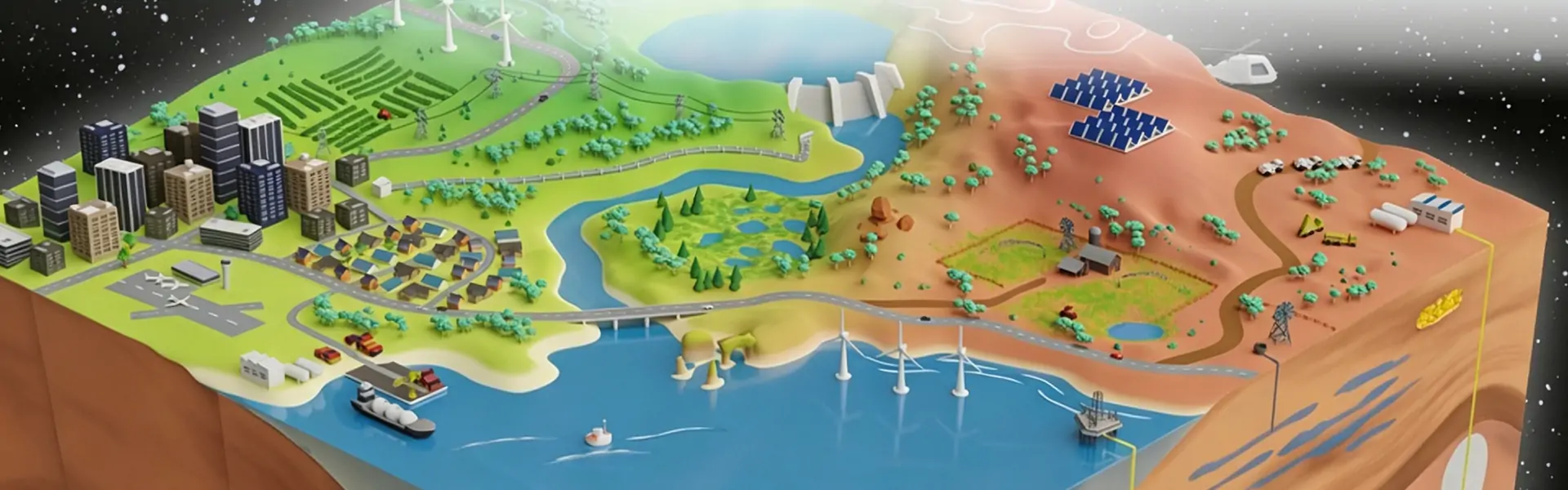
Ask three suppliers to quote the same 200 metre borehole and you may receive three different methods, each defended as the only correct one. We compare methods by what they consume, not by brand preference. The hole is the constant: sand near the surface, gravel in the middle, hard rock at the bottom. The variable is what gets the cuttings out.
We are Shijiazhuang Zhengdrilling Machinery Equipment Co., Ltd., and we build rigs configured for mud circulation, down-the-hole hammer work and reverse circulation. Published figures for the ZDSPJ1000 and our deeper rigs give you anchors, but no table can replace a formation log. This comparison shows what each method needs from your pump, compressor, pipe and crew.
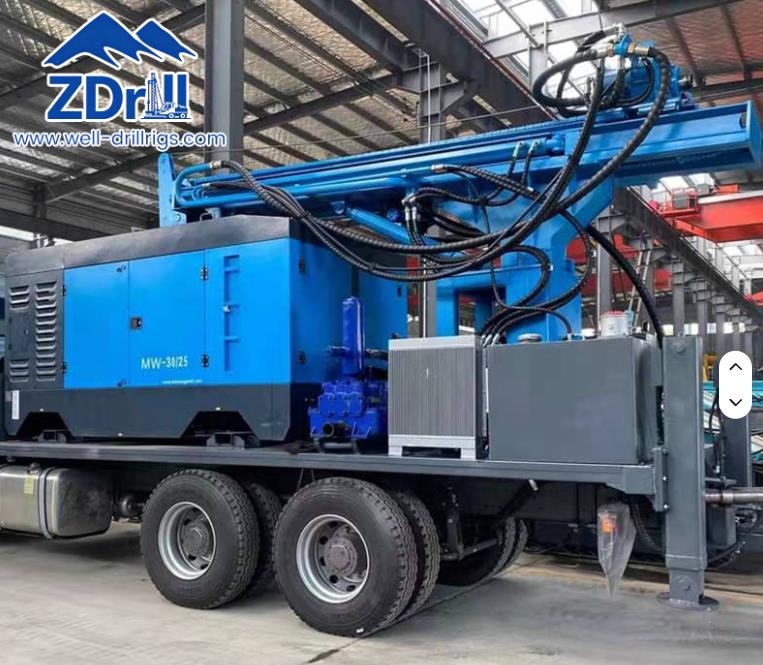
A borehole drilling rig combines a mast, a rotating head or turntable, a hoist and a circulation circuit. The circuit is the part that changes most between methods. Mud rigs carry a pump and a return pit. Air rigs carry a compressor and hammer. Reverse circulation rigs use a different flow path to lift cuttings inside the pipe.
Rotation breaks the formation; fluid removes the debris. With mud, the fluid supports the wall and carries cuttings upward outside the pipe. With DTH, compressed air powers a hammer at the bit on a down-the-hole drilling rig. With reverse circulation, cuttings return through the string. Choose the method before the machine.
Loose sand needs wall support. Hard rock needs impact. A mixed hole may need both within a hundred metres. Matching the method to each layer protects the bit and the borehole wall. It also stops you paying for a compressor on a job that only needed a pump.
Changing method underground costs rig time and pipe handling. You unload one string, change the bit and reset the circulation. Some of that is unavoidable. A rig that switches without a full rebuild keeps the loss small. Ask how the change is done before you buy.
Every method has a consumable bill. Mud needs fluid and a pump with enough flow. Hammer work needs air volume and replacement bits. Reverse circulation needs sampling and recovery arrangements. Seeing those lines together makes the real cost visible.
| Mud, hammer and reverse circulation compared | |||
| Method | Best formation | Main consumption | Published anchor |
|---|---|---|---|
| Mud circulation | Loose sand; gravel; mixed layers | Pump flow and fluid | ZDSPJ1000: 8.4–16.6 L/s at 10 MPa |
| Down-the-hole hammer | Hard and fractured rock | Air volume and drill bits | Detailed DTH figures to be confirmed in writing |
| Reverse circulation | Loose layers and reverse bedrock | Sample handling and pipe recovery | ZD-2000: 2000 m; 500 mm |
Contractors rarely drill one geology all year. A switchable spread follows the work instead of forcing you to turn down jobs. The trade-off is more equipment on site and a longer setup. Price that against the jobs you would otherwise refuse.
The ZDSPJ1000 publishes 1000 metres of drilling depth and a 500 mm hole. Its rotary table has a 435 mm through-hole. The ZD-2000 publishes 2000 metres and 500 mm for reverse circulation work. Neither figure tells you which formation the hole can pass.
The ZDSPJ1000 rotary table runs at 48, 69, 110 and 190 r/min, with a 510 kN main winch and a 340 kN auxiliary winch. The ZD-2000 publishes 120–440 rpm and 100 T lifting force. Rotation speed matters when you move from gravel into rock.
The ZDSPJ1000 ships with a 3NB-130 mud pump delivering 8.4–16.6 L/s at a rated 10 MPa, driven by a 90 kW motor. Our BW850-2 mud pump is another option in the range, but its detailed figures need written confirmation. Size the pump to the hole, not to the engine.
The ZDSPJ1000 has a 15.5 metre mast and travels at 16700 × 2480 × 4100 mm. Four hydraulic legs and two mechanical legs level it; an auxiliary cylinder helps break pipe. The ZD-2000 publishes a 6.6 metre mast stroke. Check both numbers against your site.
A 259 kW six-cylinder diesel drives the ZDSPJ1000, with a 220 kW generator listed. The ZD-2000 publishes 410 kW. For hammer work, air demand and pressure decide whether those power figures translate into progress. Our published DTH figures need written confirmation.
| Published parameters of the ZDSPJ1000 and ZD-2000 | |||
| Parameter | ZDSPJ1000 | ZD-2000 | Why it matters |
|---|---|---|---|
| Maximum depth | 1000 m | 2000 m standard | Sets the target; not the formation |
| Hole diameter | 500 mm | 500 mm | Must fit casing and screen |
| Hoisting | 510 kN main winch | 100 T lifting force | Carries the full string |
| Rotation | 48/69/110/190 r/min | 120–440 rpm | Matches the bit to the layer |
| Mast figure | 15.5 m mast height | 6.6 m mast stroke | Sets single-pipe length |
| Transport size | 16700×2480×4100 mm | 6800×2500×3000 mm | Decides the haul route |
Our ZDSPJ1000 trailer-mounted rig uses mud circulation and suits large holes in loose sand, gravel and mixed layers. Rotary tables give steady torque at low speed. Mud drilling is also listed for the ZD1600. Ask which pump is included in the quote.
A down-the-hole rig puts the hammer behind the bit, so energy goes into the rock instead of the string. It is the sensible choice where the formation turns hard. Air supply becomes the controlling item. Confirm compressor size and bit type in writing.
The ZD-2000 is published for loose layers and reverse bedrock layers using reverse circulation. Our reverse circulation rig range covers that duty. This method is useful when sample quality matters. Confirm how cuttings and samples are collected.
Sand and gravel dominate many rural aquifers. Mud circulation keeps those walls open while casing follows. The ZDSPJ1000 is listed for water wells in exactly those layers. The finished diameter has to leave room for the screen.
Foundation work asks for large, clean holes over short depths. A rotary table with a 435 mm through-hole helps here. The ZDSPJ1000 is listed for construction and defence foundation work. Setup time often matters more than depth.
Geothermal bores and geological exploration need depth and reliable sampling. Reverse circulation gives cleaner samples than mud in some formations. The ZD-2000 is listed for shallow geothermal work. Confirm the sampling method with the supplier.
Where the aquifer sits in fractured rock, rotary bits lose ground. Hammer drilling or a rig rated for hard rock takes over. The ZD1600 is published for unconsolidated strata, bedrock and hard rock. Air demand becomes the budget line to watch.
A single-method rig is cheaper to specify and easier to insure. It is also the wrong answer when the next contract sits in a different formation. The table compares the two buying approaches across the choices a contractor faces each week.
| Single-method purchase against a switchable spread | |||
| Decision | Single-method rig | Switchable spread | Question to ask |
|---|---|---|---|
| Formation change | New rig or long changeover | Change bit and circulation | How long is the switch? |
| Consumables | One supply chain | Mud plus air and spares | Which items are stocked? |
| Utilisation | Limited to one ground type | Follows the available work | What jobs are refused today? |
| Capital | Lower entry price | Higher; more equipment | What is the cost per hole? |
There is no universal winner. A contractor drilling one geology at high volume should buy the dedicated machine. A mixed market rewards the spread that can change. Our job is to tell you which side of that line your wells sit on.
Write down what lies above the aquifer and what the aquifer sits in. A 200 metre hole through clay and gravel behaves nothing like 200 metres of rock. The profile decides the method; the method decides the rig.
Start with the screen and casing you must install. Add the annular space, then compare with the published hole diameter. A 500 mm capability is useful only if it fits the casing programme. Do not reverse the order.
For mud work, look at flow and rated pressure. For hammer work, look at compressor output and the pressure window. Published ZDSPJ1000 figures show the shape of a useful answer. Anything not published should be confirmed in writing.
A 16700 × 2480 × 4100 mm load does not fit every site. Measure the approach, the gate and the overhead clearance. A smaller frame may reach the pad faster even with less depth. Buyers often find this out after delivery.
Changeovers consume bits, seals and pipe joints. Ask the supplier to list what it recommends for your formation. Keep those items in the same comparison as the rig. A cheap machine with scarce wear parts is an expensive one.
Four hydraulic legs and two mechanical legs on the ZDSPJ1000 let you level on uneven ground. Do it before the mast rises. A mast out of plumb puts side load on every joint. Recheck after the first connection.
Set the mud pit or compressor where the return path is short. Keep the suction clean and away from the rig. Confirm the generator and cable run on site. Good layout is cheaper than a blocked line.
Drill one trial bore with agreed acceptance terms. It shows whether the pump holds pressure and whether the bit survives the layer. Check the cuttings against the log you supplied. Record the result before the next machine arrives.
Look at the last ten jobs and the next ten you expect. If eight sit in loose ground, buy for mud. If half sit in rock, budget for hammer. Buying for a formation you never meet is the most common error.
Lifting force may be expressed in T or kN. Depth may be a standard rating or a configurable range. Convert both quotes to one unit before you compare. Our RC drilling technology notes are a starting point for method terms.
Write down the steps to move from mud to air: pipe change, bit change, circulation change, crew time. The answer tells you how useful a switchable rig really is. A vague answer means the change is harder than the brochure suggests.
Numbers on our product pages are starting points. Torque, air demand and consumable life for a specific configuration should be in writing. We would rather mark a figure as to be confirmed than let you plan around a guess.
We build rigs around methods, not around a single headline depth. The ZDSPJ1000 is published for mud circulation in loose ground; the ZD-2000 is published for reverse circulation to 2000 metres; our ranges cover hammer work as well. Where a detail is not public, we say so.
Our service covers pre-sale consultation, delivery training, on-site service and spare-part supply. Send us the borehole profile and we will name the method first, then the machine. That order saves money on the jobs where a simpler rig is enough.
There is no fixed answer. Mud circulation is usually cheaper in loose ground because the equipment is simpler. In hard rock, hammer work avoids the bit wear that makes mud expensive. Compare cost per completed metre, not cost per rig hour.
Some of our ranges cover more than one method, but each change needs pipe, bit and circulation work. Ask for the exact changeover steps. A switchable rig is worthwhile only if your job mix actually changes.
It tells you the delivered flow is 8.4–16.6 L/s at a rated 10 MPa from a 90 kW motor. Compare that with the hole diameter and depth you plan. If the return cannot carry the cuttings, the rig stops regardless of depth.
When sample quality matters or the formation is loose and reverse bedrock. The ZD-2000 is published for those conditions at 2000 metres. Confirm how samples are collected and how pipe is recovered before you choose it.
State the formations, target depth, finished diameter and the method you expect. Add the figures you need confirmed: air demand, torque and wear parts. Keep the answers in one file with the configuration sheet.
Processing Demand Survey
x


